The Land
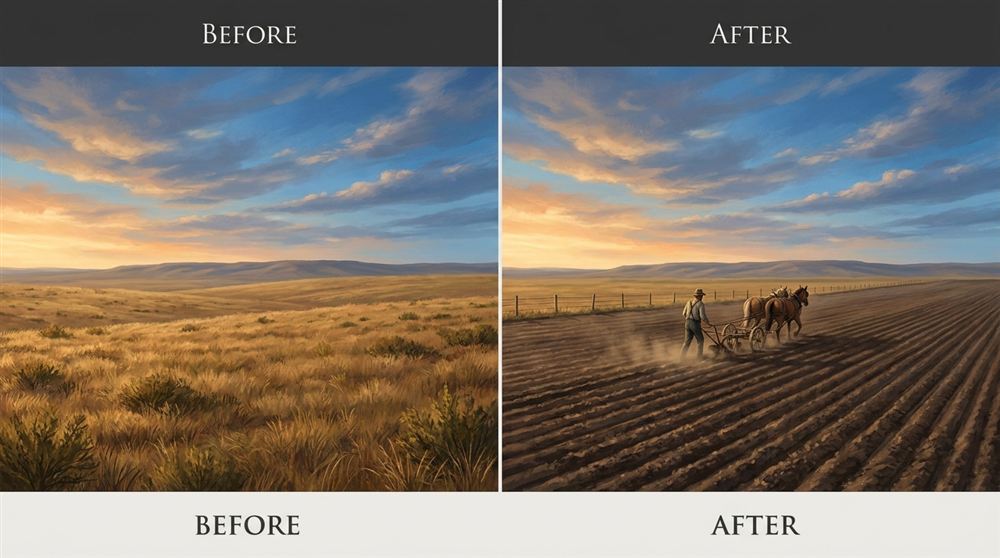
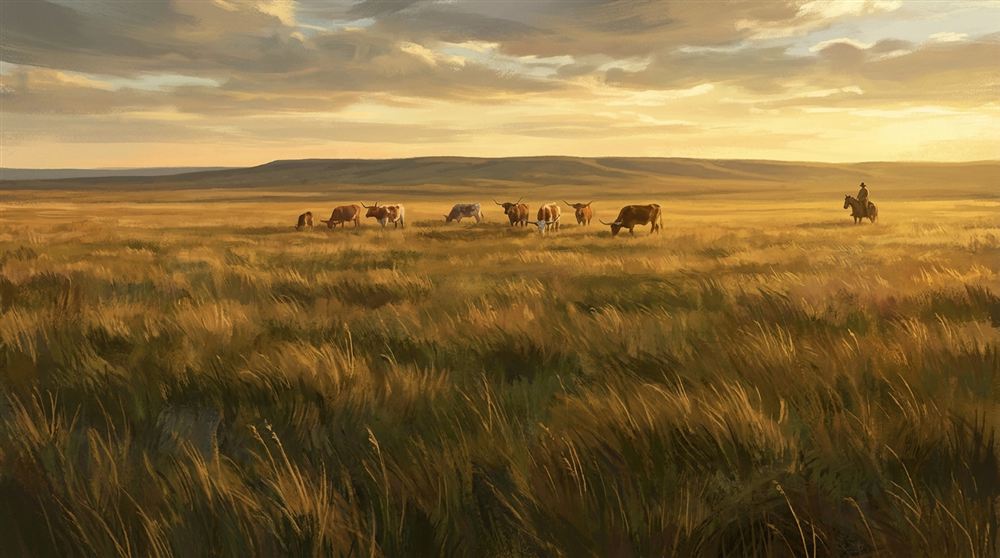
Before: Sea of Grass
After: Plowed Bare
During World War I, the world needed wheat, and prices shot up. Farmers plowed millions of new acres in the Texas Panhandle to grow it. At the time, it looked like a smart way to feed people and earn a living.
Historians call this the Great Plow-Up. In about ten years, farmers turned over huge stretches of Plains grassland that had never been plowed before.
Native grass had deep roots that gripped the soil like a net. Plowing tore out that net. When drought — a long time with no rain — hit in the 1930s, the wind picked up the loose, dry soil.
The Sky
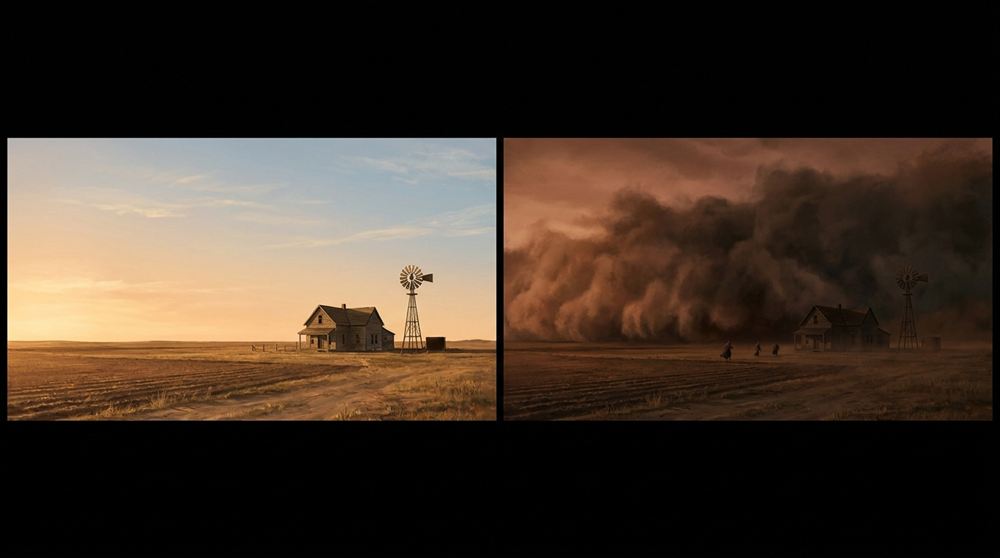
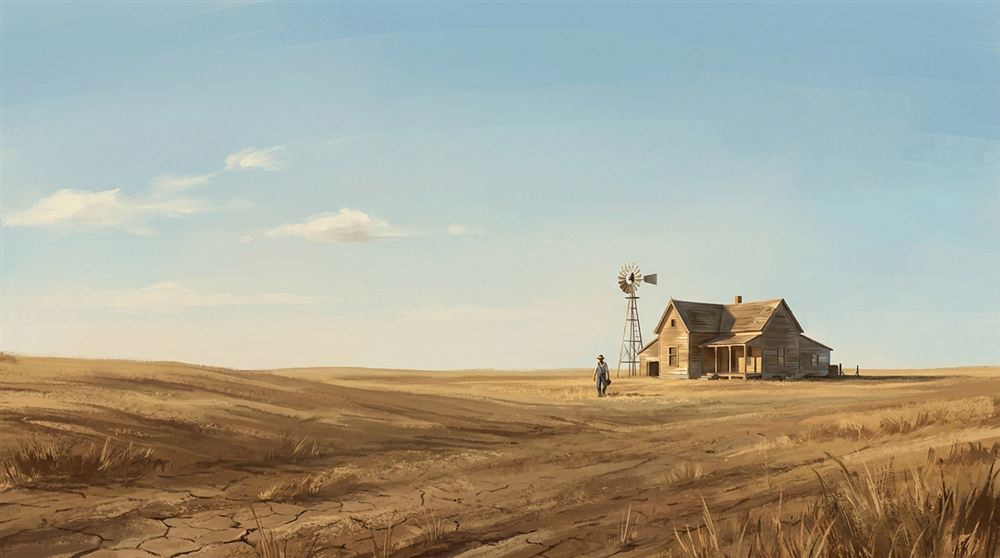
Before: Clear Day
After: Black Sunday
People called the giant dust storms black blizzards. A wall of dust could rise thousands of feet and turn day into night. Some storms carried Texas soil all the way to the East Coast.
Breathing dust day after day made some people sick with dust pneumonia, a serious lung illness. Families did all they could to keep the dust out, and doctors worked hard to help.
Families hung wet sheets over windows to catch dust before it got inside. Some tied a rope from the house to the barn. In a storm, you held the rope so you would not get lost in your own yard.
Some families stayed and fought for years to save their land. Others packed up and drove west, often to California, to look for work. Both choices were hard, and both took real courage.
The Fix
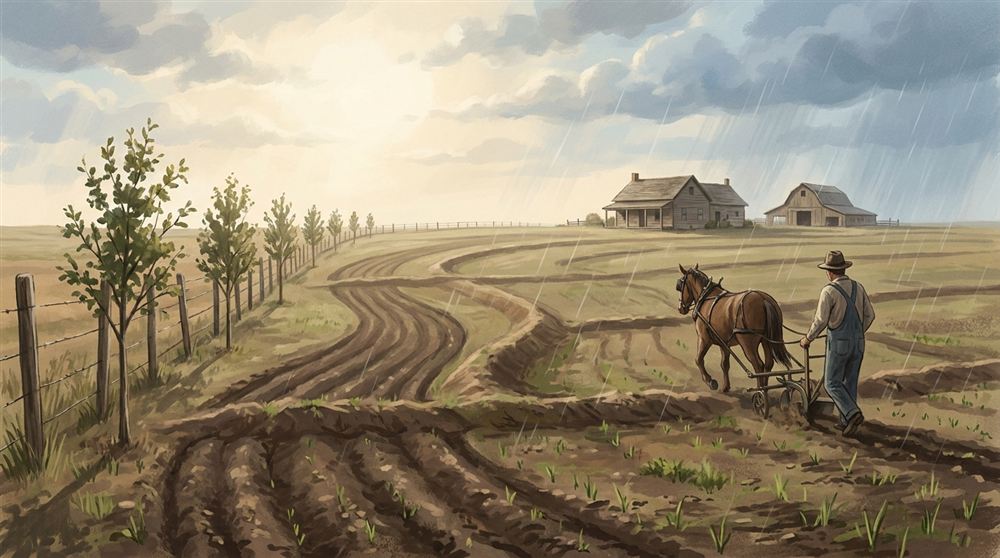
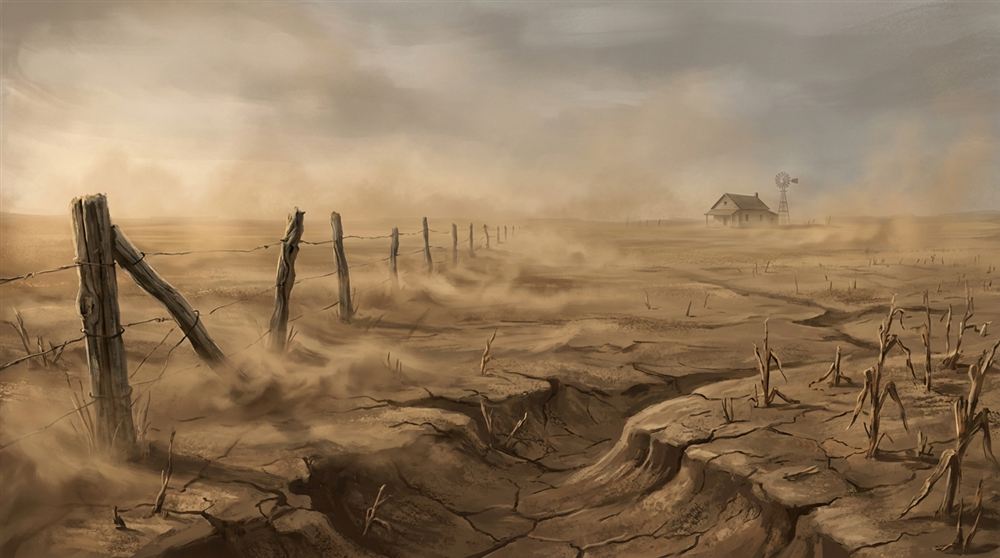
Before: Damaged Fields
After: Farming Smarter
The Civilian Conservation Corps, or CCC, was a government program that hired young men to plant trees and protect the land. They earned about $30 a month, and $25 of it went straight home to their families.
The PWA and WPA were New Deal programs — government plans to help during the hard times of the 1930s. They paid people to build and fix roads, schools, and other public projects.
The Soil Conservation Service was a new government agency, started in 1935. Its job was to teach farmers ways to keep the soil from blowing away again.
Farmers learned contour plowing: plowing in curved lines that follow the shape of the land, not straight lines. They built terraces, flat steps that slow water down. They planted shelterbelts — rows of trees that block the wind.
From 1939 to 1941, rain finally came back to the southern Plains. With the rain and the new farming methods working together, the land slowly began to heal.
People helped cause the Dust Bowl by plowing up the grass that held the soil in place.
And people helped fix it — with new farming methods, hard work, and programs that put the land first.